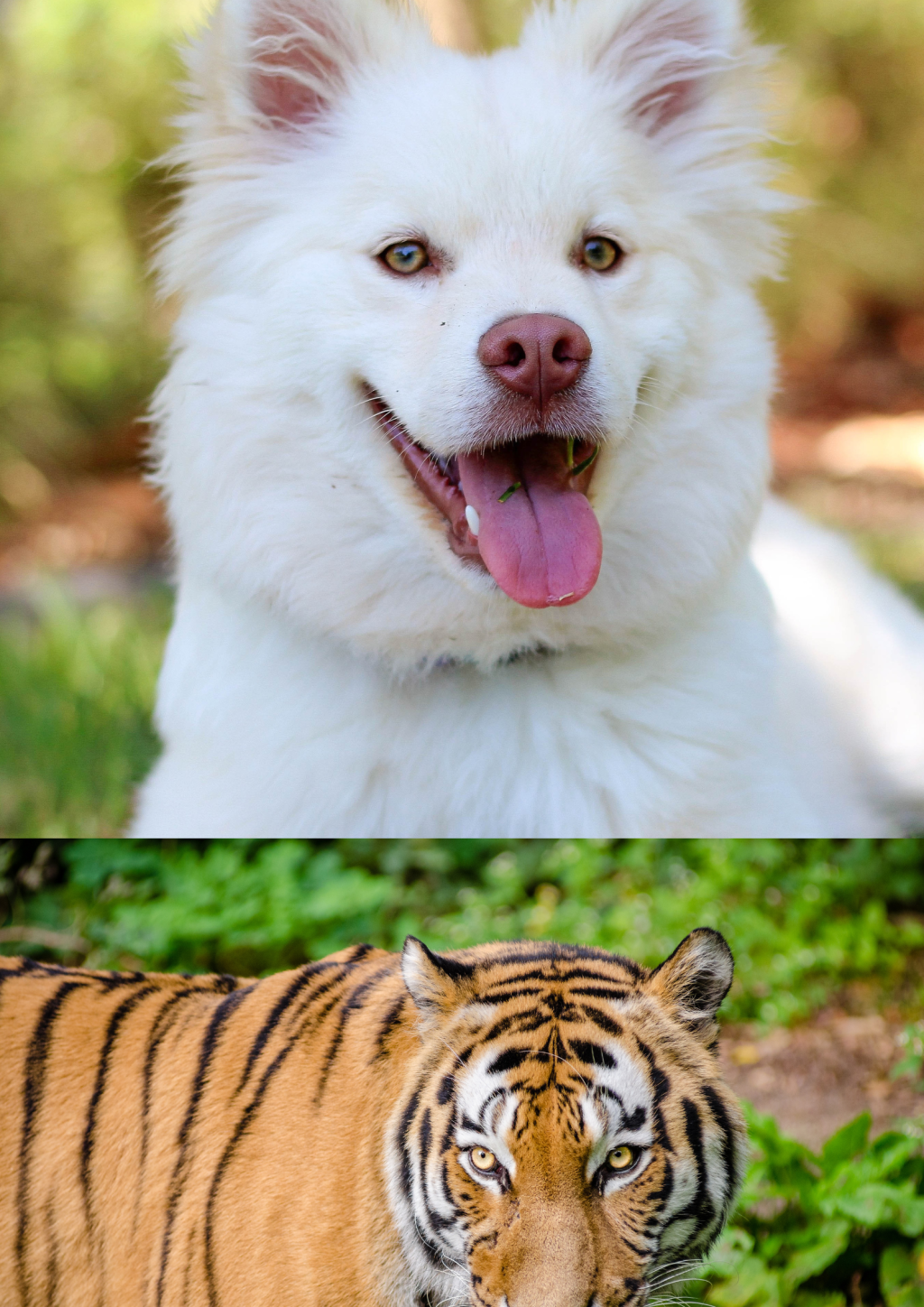
The idea of the perfect dog is arbitrary and varies widely, determined by personal choices, way of life, and environment. However, depending on their temperament, level of maintenance needs, and suitability for human habitats, certain animals are often better suited as pets than others. Here, we’ll look at several animals that are frequently thought to be excellent pets, in addition to those that might not be as suitable for home life.

- Dogs: There’s a good reason why dogs are referred to as man’s best friend. They are devoted and loving and have an extraordinary ability to read their owners’ emotions. Dogs may make wonderful additions to families and offer company, security, and even aid to people with disabilities if they have the right training and socialization
- Cats: Cats are independent yet affectionate creatures that make great pets for people with varying lifestyles. They require less attention and maintenance compared to dogs, making them suitable for individuals with busy schedules or smaller living spaces. Cats can be playful, loving, and entertaining companions.
- Fish: Fish are low-maintenance pets that can add beauty and tranquility to any home. They require a properly maintained aquarium environment, but once set up, they offer a soothing presence and can be fascinating to observe. Fishkeeping can be a rewarding hobby for both children and adults.
- Birds: Birds, such as parrots and budgies, can form strong bonds with their owners and provide endless entertainment with their vocalizations and antics. They are intelligent creatures that thrive on interaction and mental stimulation. With proper care and attention, birds can become cherished members of the family.
- Small Mammals: Animals like rabbits, guinea pigs, and hamsters can make delightful pets, particularly for families with children. They are relatively easy to care for and can be affectionate and playful companions. However, they require appropriate housing, enrichment, and social interaction to thrive.
Worst Pets:
- Exotic Animals: Exotic pets, such as large reptiles, primates, and big cats, may seem intriguing, but they often have complex care requirements and can pose safety risks to their owners and the public. Additionally, their captivity can contribute to conservation issues and animal welfare concerns.
- Large or Aggressive Dogs: While many dogs make excellent pets, certain breeds or individual dogs with aggressive tendencies may not be suitable for inexperienced owners or households with children. Proper training, socialization, and responsible ownership are essential for managing these dogs safely.
- Wild Animals: It is immoral and impossible to try to keep animals from nature as pets. The nutritional, environmental, and social requirements of wild animals are distinct and cannot be satisfied in a home context. Keeping them as pets may cause the animals involved to go through stress, develop behavioral issues, and have their physical health affected.
- Reptiles and Amphibians are: Although certain species can be interesting companions for knowledgeable keepers, they frequently need particular diets, habitats, and surroundings, which can be difficult to provide. Inadequate care can lead to zoonotic disease hazards for humans as well as health problems for those in question. Rodents and Other Pests: Animals like rats, mice, and certain reptiles may be considered pests rather than suitable pets. While they may have their own unique charm, they can also carry diseases, reproduce rapidly, and cause property damage. Rather than trying to keep these animals as pets, it is usually more appropriate to enjoy them from a distance.
Please provide the text that needs to be rewritten to improve clarity and correct any errors. The best and worst pets ultimately depend on factors such as personal preference, lifestyle, and commitment to responsible pet ownership. Some animals may be happier and more companionable in domestic environments, while others may be better left in their natural habitats or under the skilled care of zoological professionals. Before bringing any pet into your home, you must do your homework, educate yourself, and take into account the needs of the animal.
 technical kartik
Leave a comment